

Astrophotography by the Numbers: 1,302 Hours Under the Night Sky
An interactive look at 94 targets, 28,744 light frames, 209 observing nights, and 1,302 hours of captured exposure—the data behind my astrophotography archive.
Read postPhotographs by David Musser
I photograph deep-sky targets from my backyard and share the decisions behind each finished image, from choosing the target to processing the final frame.
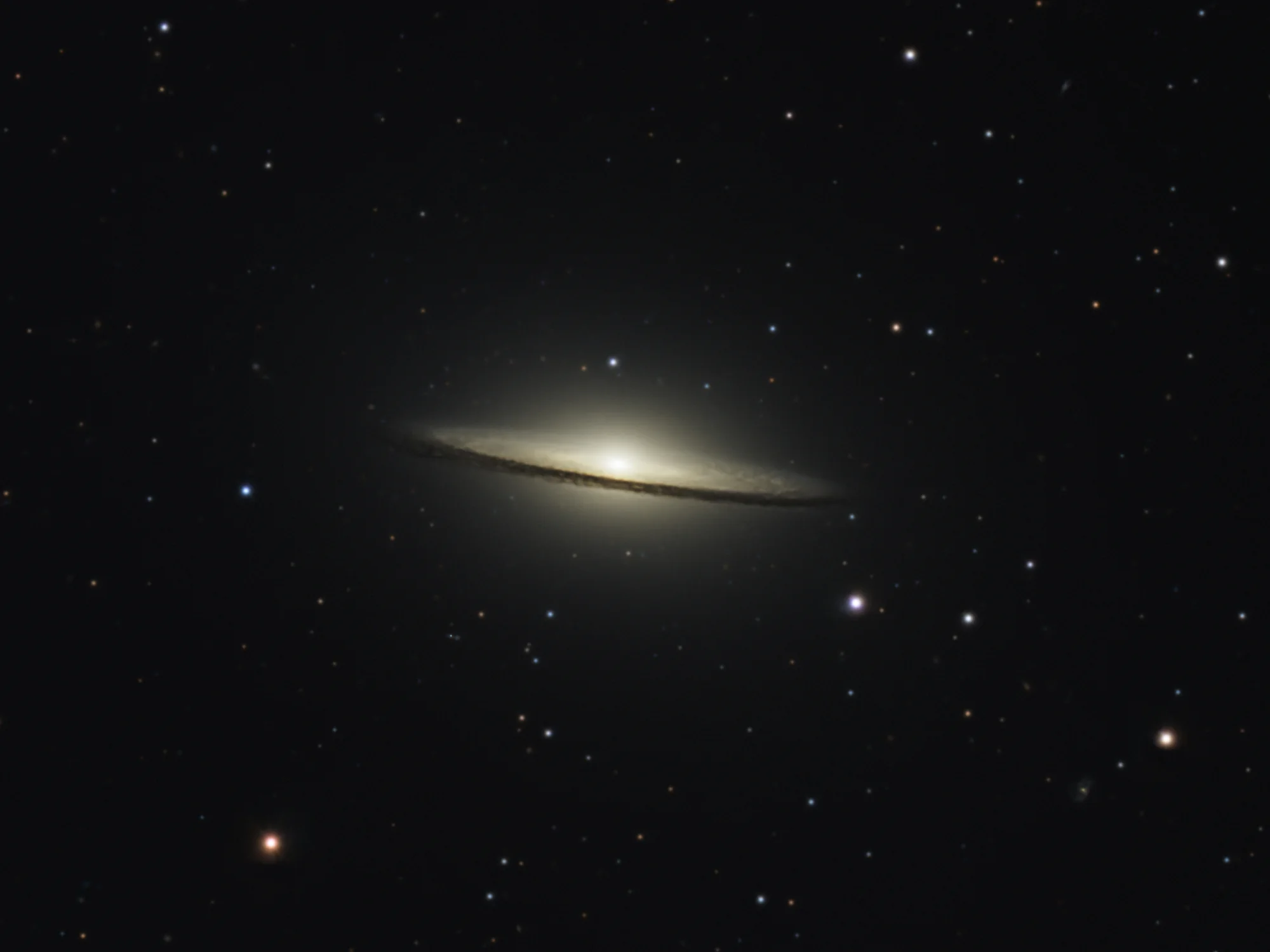 Featured target
Featured target
A bright edge-on galaxy with a crisp dust lane and central glow, captured as part of the long-running Messier imaging project.
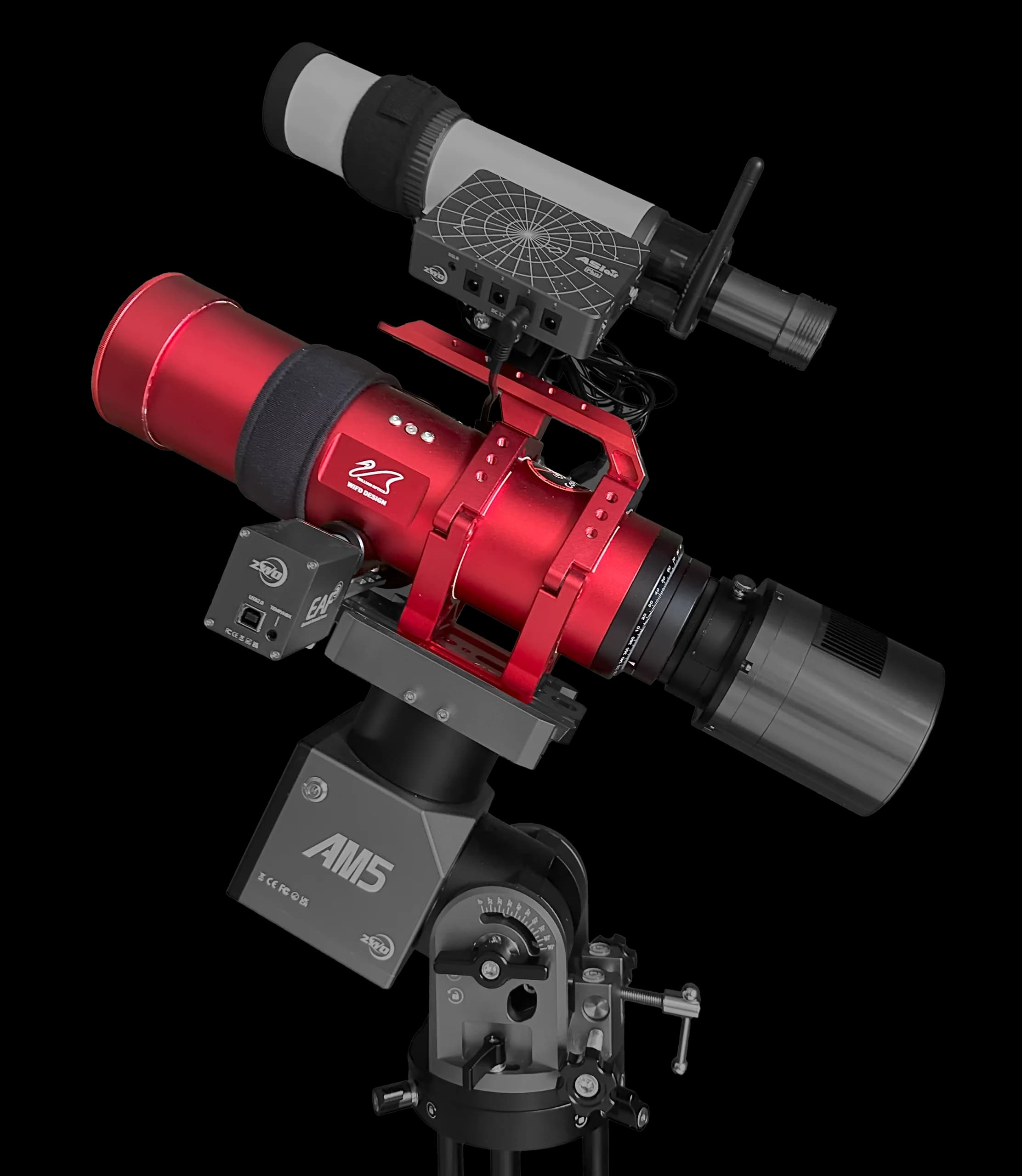 How I Make Images
How I plan targets, set up the gear, capture data, and process stacked frames into a finished image.
Open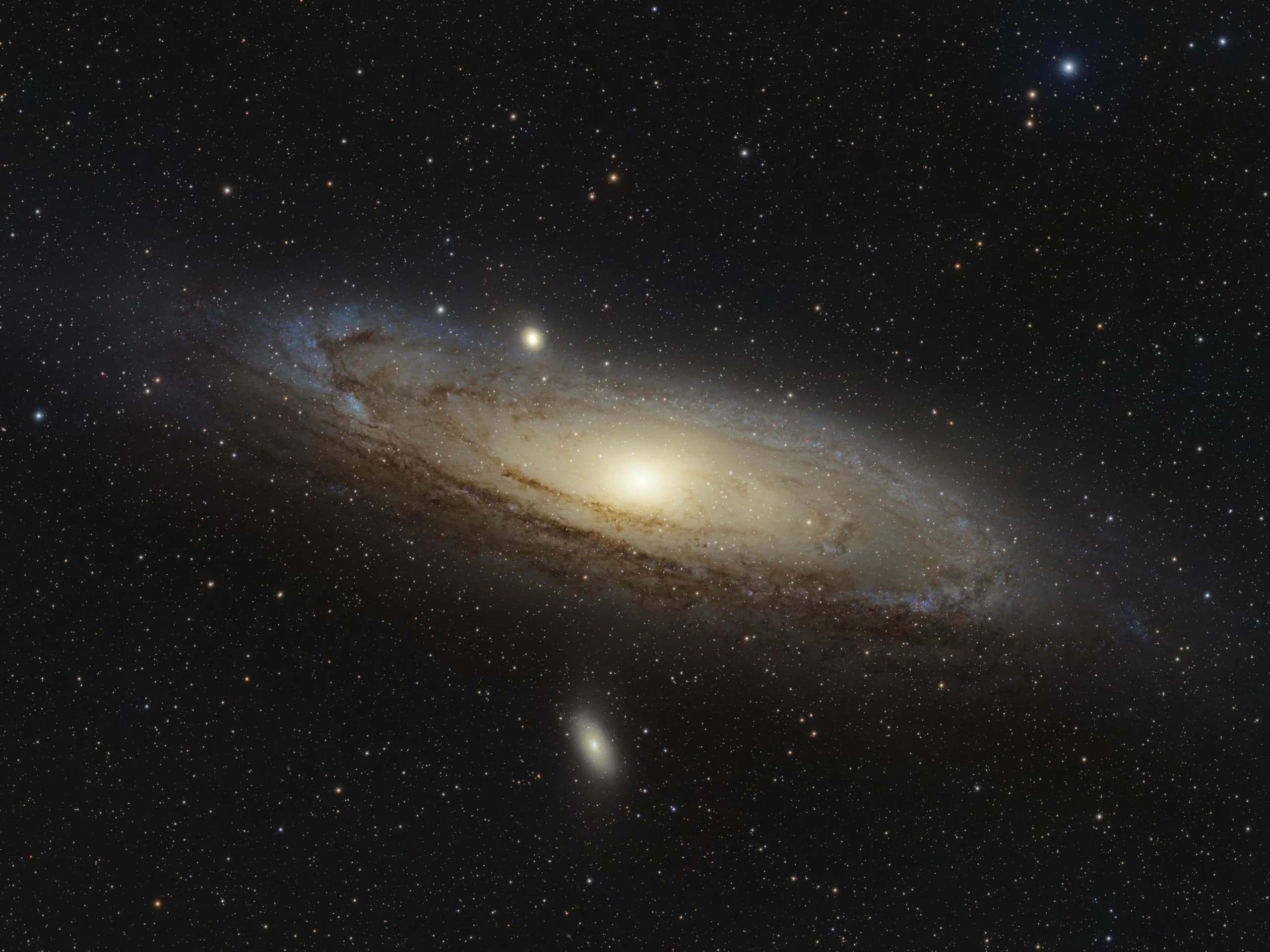 Sky Map
See where my images sit in the night sky, with object thumbnails, coordinates, and links back to the related notes.
OpenRecent field notes
An interactive look at 94 targets, 28,744 light frames, 209 observing nights, and 1,302 hours of captured exposure—the data behind my astrophotography archive.
Read post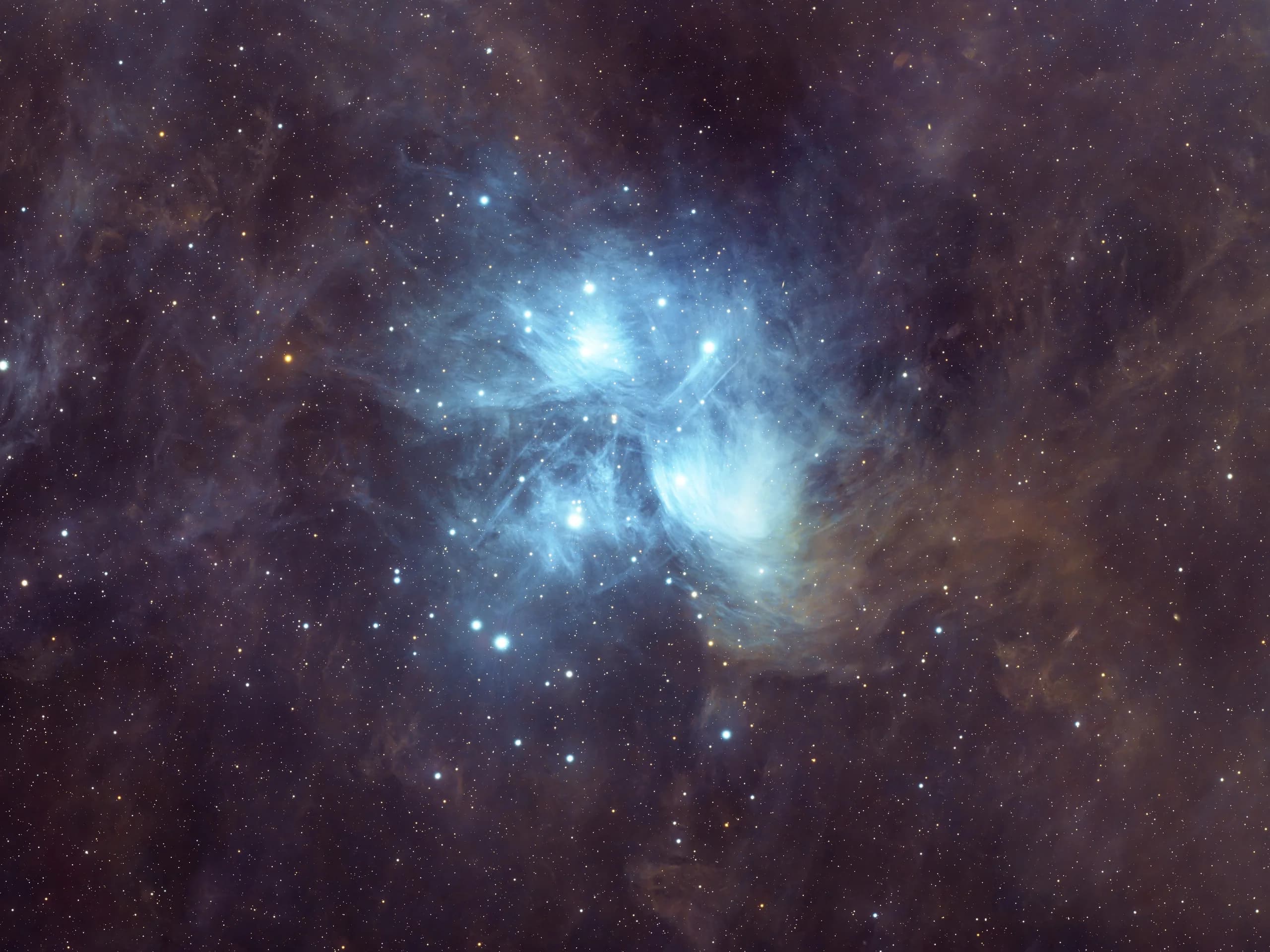
The Pleiades are famous for their bright blue stars, but the blue glow around them comes from something quieter: dust reflecting their light. This is the story of how that reflection nebula emerged across three versions of my image.
Read post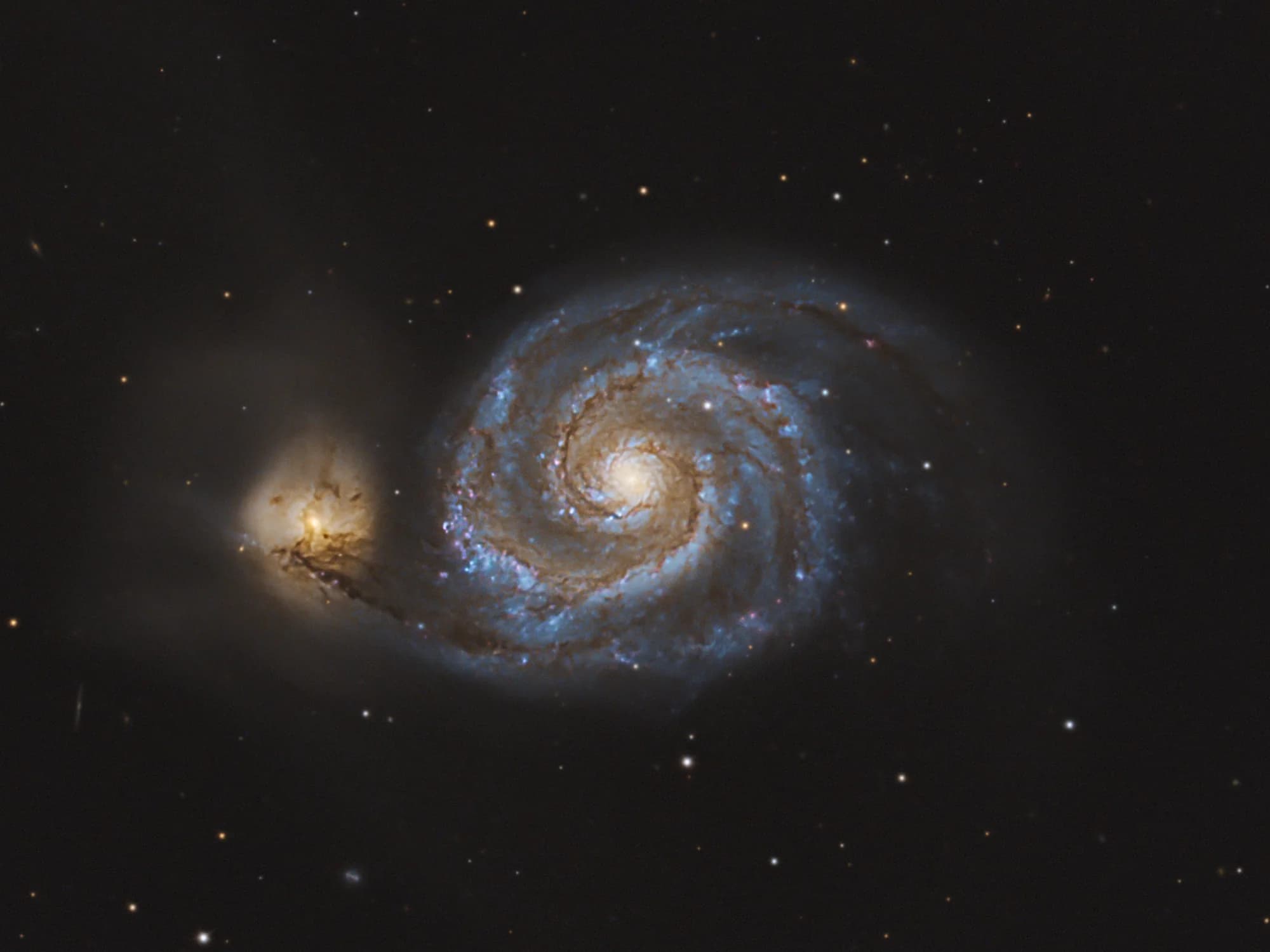
What changed when I moved from a 300 mm RedCat 61 to an EdgeHD 8 at about 1,422 mm? M51 gained room in the frame, making dust lanes and bright knots easier to separate. Tracking, focus, seeing, and the data still set the limit.
Read post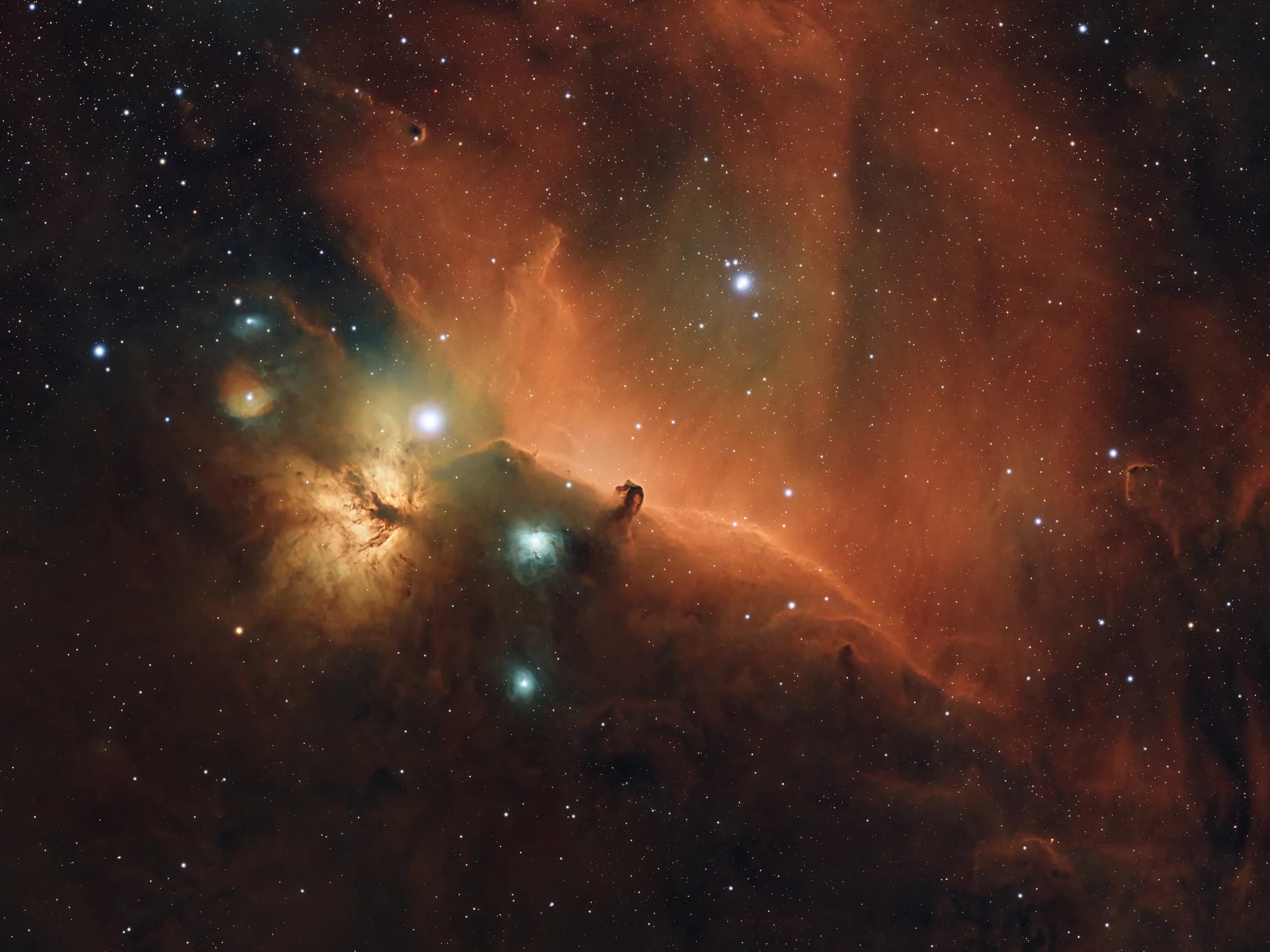
The Orion constellation is easy to recognize, marked by three bright stars forming its belt and a "sword" hanging below. What's less obvious is that this small patch of sky is packed with a variety of nebulae. That sword is home to the Orio
Read post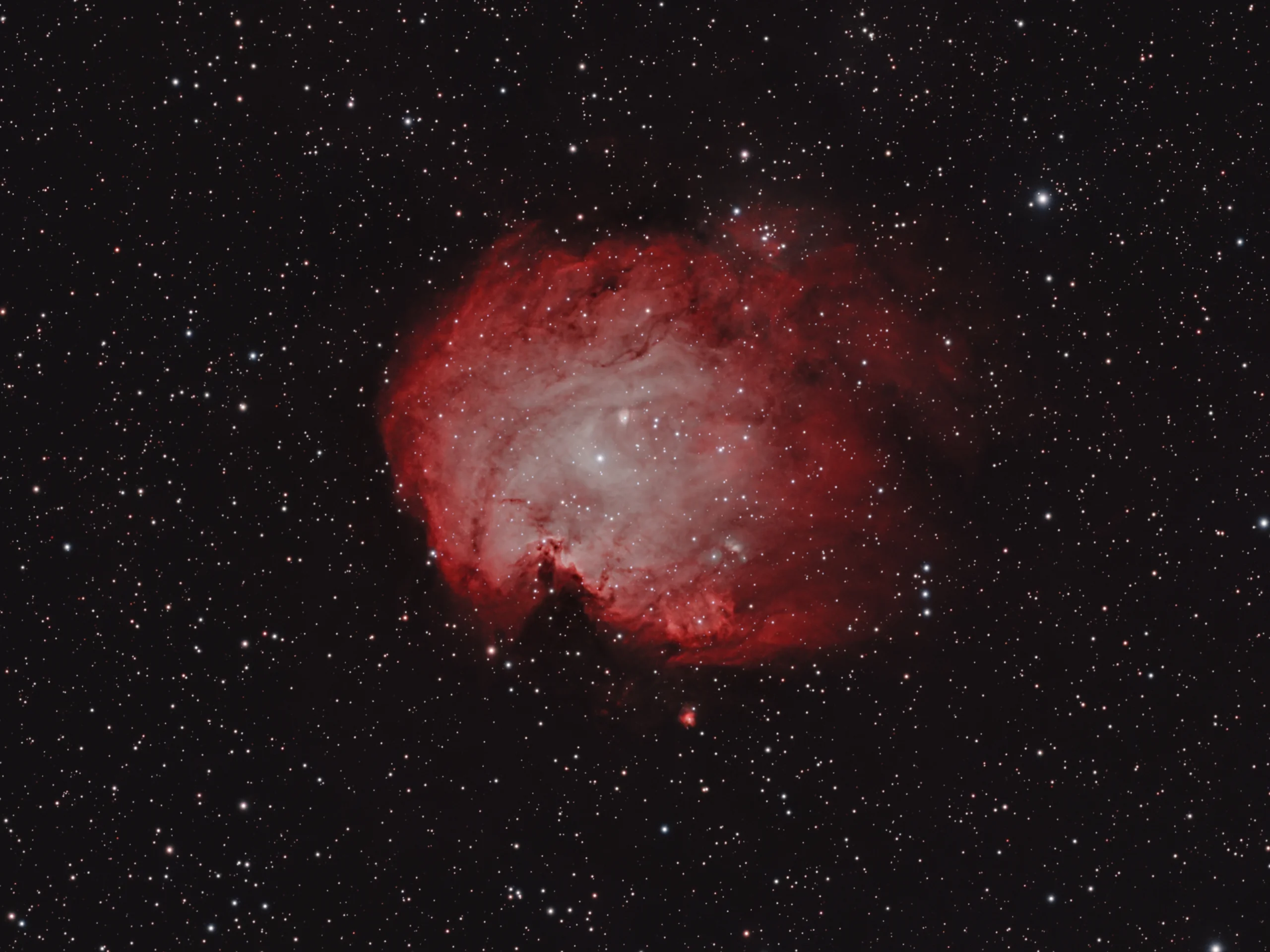
I set out to capture the Monkey Head Nebula (NGC 2174 in Orion) with my usual astrophotography setup, aiming for a gorgeous deep-sky image. I took 70 frames at 300 seconds each (about 6 hours total exposure) and stacked them to reveal the n
Read post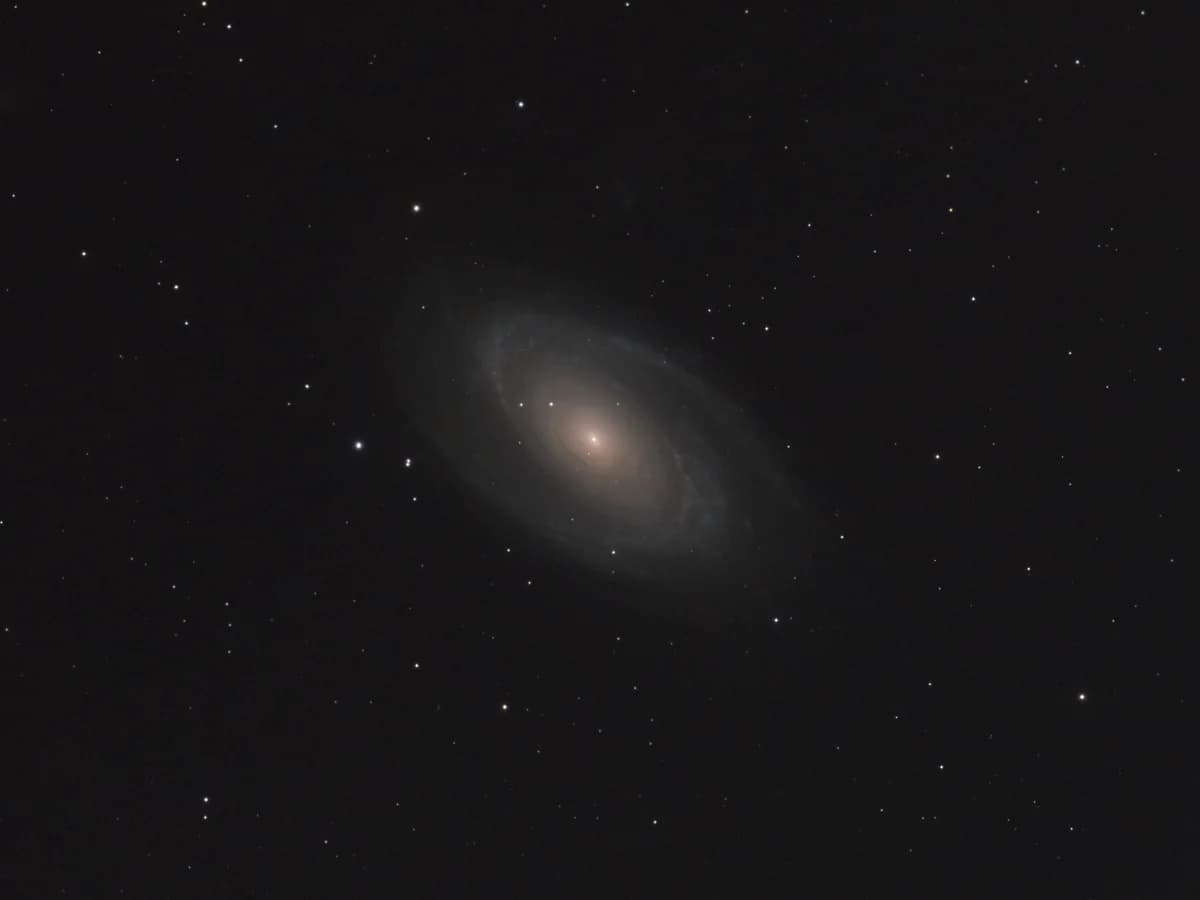
My wide-field telescope is well suited to large nebulae, but most distant galaxies appear small in the frame. Even so, long exposures and careful stacking have revealed distinct structure in a surprising range of galaxies. Every image in th
Read post